
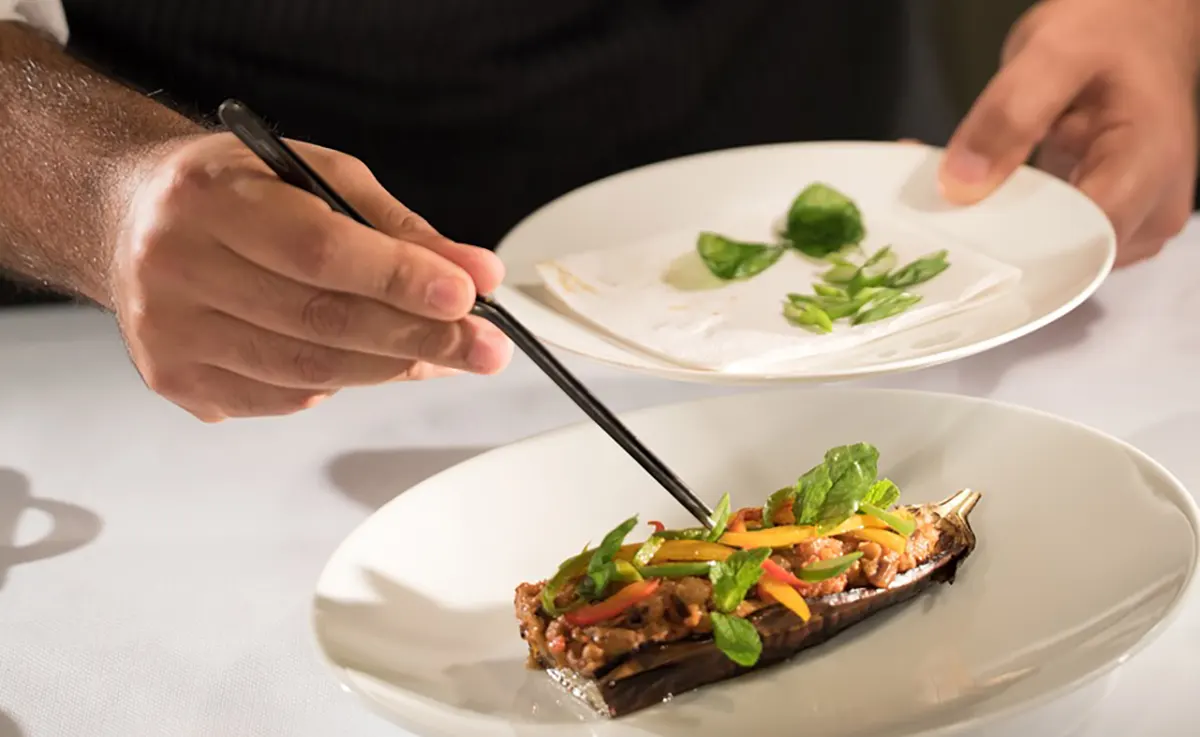

We eat with our eyes first. Long before a forkful of food reaches our mouths, our brains have already processed its visual appearance, sending signals that trigger anticipation, appetite, and even assumptions about how it will taste. In professional restaurants, presentation is given almost as much weight as flavor. Chefs spend years mastering the balance of colors, shapes, and textures on a plate.
For the home cook, food styling can feel like an unnecessary luxury reserved exclusively for high-end dining or social media influencers. However, applying basic food styling principles to everyday, casual meals transforms the dining experience. It turns a routine weeknight dinner into an intentional, comforting ritual. You do not need expensive tweezers, gold leaf, or exotic ingredients to make your food look stunning. By understanding the fundamentals of light, geometry, and color harmony, you can make the most casual comfort foods look incredibly appetizing.
The Canvas: Choosing and Using Dinnerware
The foundation of any beautiful plate of food is the vessel it sits on or inside. Just as an artist carefully selects their canvas, a cook must choose dinnerware that complements the structural and color characteristics of the meal.
The Power of Matte and Neutral Tones
While bright, patterned plates can be beautiful on a shelf, they often compete with the food for attention. Professional food stylists almost always lean toward neutral colors: white, cream, charcoal gray, slate, or soft earth tones. A plain white or soft gray plate acts as a clean backdrop, allowing the natural colors of the vegetables and proteins to pop vividly.
Furthermore, matte finishes are generally preferred over high-gloss glazes. Glossy plates catch overhead room lighting, creating harsh reflections and hot spots that distract from the texture of the food itself.
Sizing and Boundary Control
One of the most common styling errors at home is using a plate that is too large or too small. If the plate is overcrowded, the food looks messy and unappealing. If the plate is too large, a casual portion can look sparse and ungenerous.
Aim for a balance where roughly one-third of the plate remains empty space. This negative space provides visual relief, making the food look organized, clean, and intentionally placed.
Structural Principles: Height, Layering, and Tension
Flat food looks uninspired. When food is slumped horizontally across a plate in separate piles, it resembles a school cafeteria tray. To create visual excitement, you must introduce height and dimension to the arrangement.
Building Up, Not Out
When plating components like starches, vegetables, and proteins, practice stacking elements gently. Instead of placing a grilled chicken breast next to a pile of mashed potatoes, rest the chicken at an angle atop a bed of the potatoes. This creates immediate vertical interest and keeps the components structurally unified.
The Rule of Odds
Human brains are naturally wired to look for patterns and symmetry, but absolute symmetry can feel clinical and boring in food presentation. When plating small, distinct items like meatballs, ravioli, asparagus spears, or crostini, always work in odd numbers: threes, fives, or sevens. An odd number of items creates subtle visual tension, forcing the eye to move dynamically across the plate rather than settling on a single central dividing line.
Color Theory and the Role of Fresh Garnishes
A visually stunning plate relies heavily on color contrast. Monochromatic meals, such as a dinner consisting of white fish, pale rice, and cauliflower, can taste delicious but look uninvitingly bland.
Creating High Contrast
If you are serving a naturally beige or brown meal, such as a hearty beef stew or a bowl of lentil pasta, you must introduce elements from the opposite side of the color wheel to break up the monotony. This is where strategic garnishing becomes a functional styling tool rather than an afterthought.
Rules for Professional Garnishing
-
Keep It Edible: Never place something on a plate that a guest cannot or should not eat. Raw citrus peels, whole woody rosemary sprigs, or unchopped stalks of lemongrass should be kept out of the final presentation.
-
Incorporate Purposeful Herbs: Do not just drop a single parsley leaf in the center of a dish. Instead, finely chiffonade fresh basil, scatter delicate cilantro leaves, or snip chives evenly across the entire surface. The garnish should hint at the flavors hidden inside the meal.
-
Utilize Textural Powders: A dusting of smoked paprika, a crack of coarse black pepper, or a flurry of finely grated Parmigiano-Reggiano cheese around the perimeter of the food adds depth and micro-textures that catch the light beautifully.
Deconstructing Casual Favorites: Quick Styling Transformations
Any casual meal can be elevated with minor adjustments to how it is handled immediately before serving.
The Humble Rice Bowl or Grain Bowl
Instead of mixing all your grain bowl ingredients together into a chaotic, uniform mush, treat the bowl like a clock face. Place the grains firmly at the bottom as a base. Then, arrange each vibrant topping (such as diced avocado, shredded carrots, pickled onions, and protein) in neat, separate segments around the perimeter, leaving the center open for a beautiful soft-boiled egg or a precise drizzle of sauce.
Soups and Creamy Stews
Soups often look like flat liquids when poured into a bowl. To fix this, ensure some of your chunky ingredients poke through the surface. Before serving, lift out a few choice pieces of vegetable or meat and place them directly on top. Finish the soup by swirling a spoonful of heavy cream, coconut milk, or high-quality olive oil across the surface using the back of a spoon to create an elegant, marbling effect.
Sandwiches and Burgers
Never serve a sandwich completely flat on a plate. Slice it diagonally using a sharp serrated knife and prop one half up against the other at an angle. This exposes the colorful interior layers, such as tomatoes, melted cheese, and crisp lettuce, making the sandwich look fresh, vertical, and immediately accessible.
Styling Tools You Already Have in Your Kitchen
| Tool | Everyday Kitchen Use | Food Styling Purpose |
| Paper Towels | Cleaning up spills | Wiping away stray sauce droplets or oil smudges on rims |
| Pastry Brush | Coating baked goods | Glazing proteins with juices or pan sauces to add shine |
| Small Spoon | Stirring coffee or tea | Creating deliberate sauce drops, swooshes, or cream swirls |
| Box Grater / Microplane | Grating cheese | Creating a light, snow-like texture with cheeses or citrus zest |
| Sharp Paring Knife | Peeling vegetables | Slicing fruits and herbs cleanly without bruising the edges |
Frequently Asked Questions
How can I make a simple green salad look full and voluminous instead of flat?
To prevent a salad from looking wilted and compressed, avoid pouring heavy dressing over the top right before serving, which weighs down the leaves. Toss the greens gently in a wide bowl with a minimal amount of dressing using clean hands to coat them evenly. When transferring the salad to a plate, build it upwards like a pyramid, letting loose leaves catch on each other to trap air and create structural height.
What is the best way to drizzle sauce over food without making it look messy?
The secret to a clean drizzle is consistent movement and confidence. Do not hesitate mid-stream, or you will create large, unsightly blobs. Dip a small spoon into your sauce, hold it a few inches above the food, and move your hand in a swift, fluid zigzag motion. Alternatively, you can transfer your sauce to a small plastic squeeze bottle for ultimate control over lines and dots.
How do you prevent sliced fruits like apples and avocados from turning brown before serving?
Oxidation causes certain fruits to brown rapidly when exposed to air, which ruins the visual appeal of salads and platters. To halt this process, toss the sliced fruit gently in a mild acid, such as fresh lemon juice, lime juice, or pineapple juice. The ascorbic acid in the citrus acts as a natural antioxidant, keeping the flesh bright and pristine for hours.
Why does my food look different on camera compared to how it looks in real life?
Camera lenses and sensors interpret light differently than the human eye. Overhead kitchen lights can cast an unappealing yellow or green tint on food. For the best visual results, view or photograph your food under indirect, natural daylight, such as near a kitchen window. Natural light softens shadows, brings out authentic colors, and highlights the natural moisture and textures of the dish.
How do I make grilled meats look juicy and appealing rather than dry on the plate?
Meats quickly lose their surface gloss as they rest because the exterior moisture evaporates. To make proteins look succulent, brush them lightly with a small amount of extra virgin olive oil, melted butter, or leftover resting juices immediately before serving. This creates a brilliant sheen that catches the ambient light and signals juiciness to the brain.
Can I style hot foods without letting them get completely cold?
Yes, efficiency is key to hot food styling. Have your plates, garnishes, and tools completely ready before the food finishes cooking. Work swiftly, utilizing hot plates to help retain the meal temperature. Focus on macro-movements: place the main components quickly, add a swift drizzle of sauce, scatter your fresh herbs, and serve immediately. Good styling should take no more than sixty seconds once the food hits the plate.