
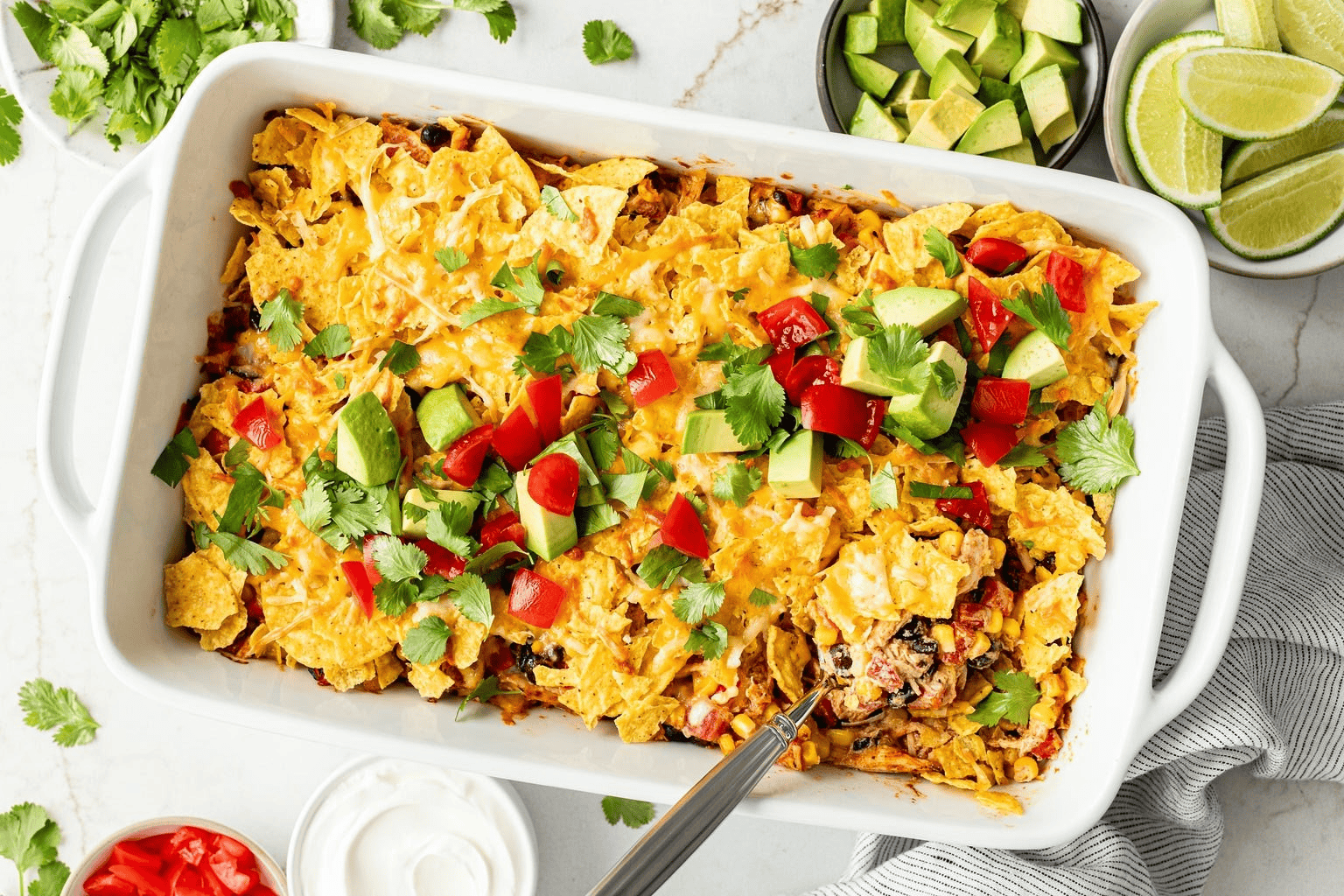

For many people, weeknight cooking feels less like a creative outlet and more like a stressful race against the clock. After a demanding day of work or school, the prospect of standing over a stove to prepare a healthy, flavorful meal can feel overwhelming. It is easy to fall into a routine of rotating through the same three basic recipes, relying on expensive takeout, or settling for processed convenience foods that leave you feeling sluggish.
The secret to elevating your weeknight dinners does not require enrolling in culinary school or dedicating hours to elaborate weekend prep. Instead, it relies on mastering a few fundamental, high-impact culinary techniques that professional chefs use to maximize efficiency and flavor. By implementing these five transformative cooking habits, you can drastically reduce your time in the kitchen, minimize cleanup, and create restaurant-quality meals on an ordinary Tuesday night.
1. Embrace the Power of Mise en Place
The French term mise en place translates directly to everything in its place. In a professional kitchen, this is a non-negotiable philosophy. Before a single burner is lit, a chef ensures that all ingredients are washed, chopped, measured, and organized into small bowls within arm’s reach of the cooking station.
Why It Matters for Weeknight Cooking
Most home cooks attempt to prep while they cook. They chop onions while the oil is heating, or search for the soy sauce while the garlic is already sizzling in the pan. This approach creates an environment of high anxiety and leads directly to burnt ingredients, uneven cooking, and ruined dishes.
How to Implement It Quickly
-
Read through your entire recipe before opening the refrigerator.
-
Gather all your ingredients, knives, cutting boards, and pans before starting.
-
Chop all your vegetables and proteins first, grouping them together based on when they will enter the pan.
-
Measure out your liquids, spices, and sauces into small cups.
By separating the prep phase from the active cooking phase, you regain complete control over the speed of your kitchen. Cooking becomes a smooth, calming assembly process rather than a chaotic scramble to avoid burning dinner.
2. Upgrade Your Searing Technique with High Heat and Patience
One of the most common mistakes home cooks make when preparing proteins or vegetables is overcrowding the pan and moving the food constantly. This results in gray, steamed, texturally mushy food that lacks depth of flavor. To achieve a beautiful, savory crust on your chicken breasts, steaks, pork chops, or Brussels sprouts, you must harness the power of the Maillard reaction.
The Maillard Reaction Explained
The Maillard reaction is a chemical process that occurs when the amino acids and reducing sugars in food are exposed to high heat. This reaction creates hundreds of new flavor compounds, resulting in the distinct, deeply savory, caramelized exterior that makes restaurant food taste so exceptional.
Steps to a Perfect Sear
-
Dry the Surface: Moisture is the absolute enemy of a good sear. Always pat your meats completely dry with paper towels before seasoning.
-
Heat the Pan First: Place your skillet over medium-high heat and let it get hot before adding your high-smoke-point oil. The oil should shimmer, but not smoke heavily.
-
Give It Space: If you pack too many ingredients into a single pan, the moisture evaporating from the food will get trapped, lowering the pan temperature and steaming the food. Cook in batches if necessary.
-
Do Not Touch: Once your protein hits the hot pan, leave it alone for several minutes. Moving it around prevents the caramelized crust from forming. The food will naturally release from the surface of the pan when it is properly seared.
3. Harness the Power of Acid to Balance and Brighten
When a home cook tastes a dish at the end of cooking and feels that it tastes flat or uninspiring, their automatic response is usually to add more salt. While salt is an essential flavor enhancer, an overload of sodium will only make the dish taste uncomfortably salty without solving the root problem. More often than not, the dish is actually missing acidity.
The Role of Acid in Flavor Balancing
Acidity acts as a natural spotlight for other flavors. It cuts through heavy fats, cuts down on overwhelming sweetness, suppresses bitterness, and wakes up sluggish, muddy flavors on the palate. Introducing a small splash of acid at the very end of the cooking process can instantly transform a dull stew, heavy pasta, or roasted vegetable dish into a vibrant culinary experience.
Essential Acids to Keep in Your Kitchen
-
Fresh Citrus: Keep a steady supply of lemons, limes, and oranges in your crisper drawer. Freshly squeezed juice provides a clean, bright punch.
-
Vinegars: Stock your pantry with a variety of vinegars, including high-quality red wine vinegar, apple cider vinegar, and rice vinegar. Each offers a unique flavor profile to complement different regional cuisines.
-
Fermented Elements: Ingredients like capers, pickles, and splashy hot sauces can provide both acidity and visual texture to a dish.
4. Master the Art of Fond and Pan Sauces
If you are scraping out your skillet and throwing it directly into the sink after searing meat, you are discarding some of the most concentrated flavor in your kitchen. When you sear proteins, small, caramelized bits of meat and juices become stuck to the bottom of the pan. In classical French cooking, this caramelized layer is called the fond.
Building a Rapid Pan Sauce
Instead of buying expensive, preservative-filled bottled sauces, you can use the fond to create a luxurious, restaurant-grade pan sauce in under five minutes using basic pantry liquids.
-
Deglaze the Pan: While the skillet is still hot from cooking your protein, pour in a cup of flavorful liquid. This can be chicken stock, unsalted beef broth, dry white wine, or even water with a splash of vinegar.
-
Scrape the Bottom: Use a wooden spoon or silicone spatula to vigorously scrape up all the stuck-on fond bits as the liquid comes to a simmer. The fond will dissolve directly into the liquid, instantly coloring and flavoring it.
-
Reduce and Emulsify: Let the liquid simmer over medium heat until it reduces in volume by half, which concentrates the flavor and thickens the consistency. Turn off the heat and stir in a tablespoon of cold unsalted butter or a splash of heavy cream. This creates a glossy, velvety emulsion that you can pour directly over your meal.
5. Cook Once, Eat Twice with Strategic Re-Purposing
True efficiency in weeknight cooking does not mean starting from absolute scratch every single night. It means cooking smarter by preparing base components in large volumes and strategically re-imagining them into completely different meals later in the week. This is fundamentally different from eating the exact same container of microwave leftovers three days in a row.
The Component Method
Instead of cooking a specific, single-use recipe, focus on cooking large quantities of versatile, neutral building blocks. For example, if you roast a large batch of seasoned shredded chicken thighs and a tray of sweet potatoes on Monday, you have the foundation for multiple distinct dinners.
On Tuesday, you can toss that shredded chicken with taco seasoning, lime juice, and black beans to create rapid sizzling fajitas. On Wednesday, you can combine the remaining chicken with frozen peas, carrots, and a quick curry paste sauce over rice. On Thursday, the sweet potatoes can be mashed and folded into a comforting black bean chili. This approach cuts your active cooking time in half later in the week while completely preventing palate fatigue.
Quick Reference Guide for Essential Weeknight Flavor Adjustments
| Flavor Problem | Root Cause | Immediate Solution | Non-Dairy Alternative |
| Food tastes flat or boring | Missing brightness | Squeeze of fresh lemon or lime juice | Splash of rice vinegar |
| Dish is overly greasy or heavy | Excess fats coating the tongue | Dash of red wine vinegar or apple cider vinegar | Splash of dry white wine |
| Dish is accidentally too spicy | Excess capsaicin molecules | Stir in a spoonful of sour cream or Greek yogurt | Stir in full-fat coconut cream |
| Food tastes unpleasantly bitter | Imbalanced vegetable compounds | Add a tiny pinch of granulated sugar or honey | Drop of pure maple syrup |
| Sauce is too thin and watery | Insufficient reduction time | Simmer on high heat or whisk in a cold butter pat | Whisk in a teaspoon of cornstarch slurry |
Frequently Asked Questions
What is the best type of pan for everyday weeknight cooking?
For sheer versatility, a twelve-inch cast-iron skillet or a heavy-duty tri-ply stainless steel pan is the best choice. Cast-iron retains heat exceptionally well, making it unmatched for searing meats and roasting vegetables. Stainless steel responds quickly to temperature changes and is ideal for building a complex fond and creating rapid pan sauces.
How do I stop my garlic from burning and turning bitter when sautéing?
Garlic contains a high amount of natural sugars and very little water, causing it to burn within thirty to forty seconds in a hot pan. To prevent this, never add your minced garlic at the very beginning of a recipe with your onions. Instead, add it during the final sixty seconds of sautéing before you introduce your liquid ingredients.
Why should I buy whole blocks of cheese instead of pre-shredded bags?
Pre-shredded bagged cheese is heavily coated in anti-caking agents, such as cellulose powder and potato starch, to keep the shreds from clumping together in the bag. These starches prevent the cheese from melting smoothly, resulting in a grainy, chalky texture when used in sauces or melted over dishes. Grating a whole block yourself takes under a minute and ensures a perfectly smooth melt.
Is it necessary to wash raw chicken before cooking it?
No, you should never wash raw poultry in your kitchen sink. Washing chicken does not remove bacteria; instead, the splashing water aerosolizes harmful pathogens like Salmonella, spreading them across your countertops, faucets, clean dishes, and prep areas. The only effective way to kill foodborne bacteria is to cook the chicken to an internal temperature of one hundred and sixty-five degrees Fahrenheit.
How can I quickly thaw frozen meat safely when I forget to pull it out ahead of time?
The safest rapid method is the cold-water submersion technique. Place the frozen meat in its airtight plastic packaging inside a large bowl, and submerge it completely under cold tap water. Change the water every fifteen to twenty minutes to maintain a safe, cool temperature. Small cuts of meat or fish will thaw completely in under forty-five minutes using this approach. Never use hot water, as it will cook the outer edges of the meat while leaving the inside frozen, inviting bacterial growth.
What is a cornstarch slurry and how do I use it to thicken weeknight sauces?
A slurry is a mixture of equal parts cornstarch and cold liquid, such as water or broth, whisked together until completely smooth. When added to a boiling liquid, the starch granules expand and gelatinize instantly, thickening the sauce without creating unappealing flour clumps. Always ensure the sauce comes to a boil for at least one minute after adding the slurry to cook out the raw starch flavor.