
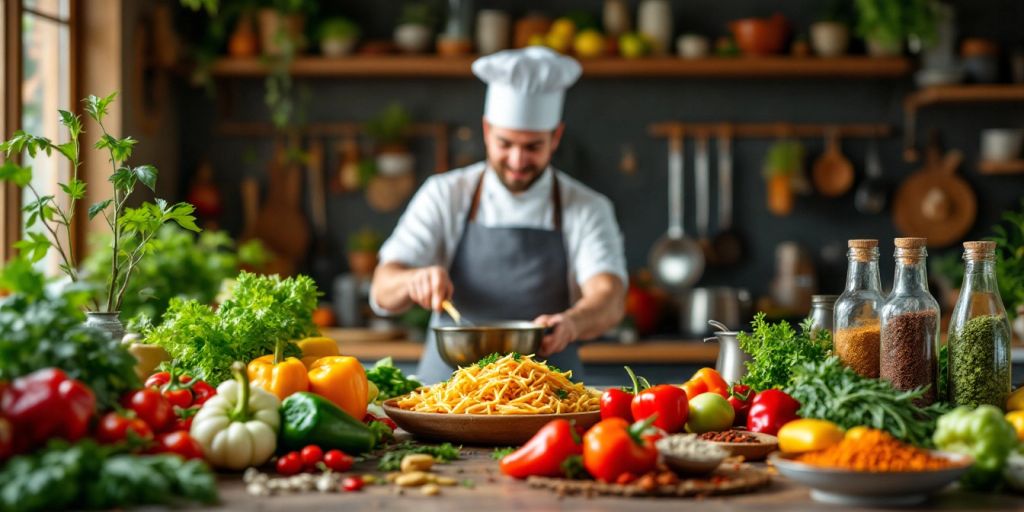

Cooking is both an art and a science, a skill that blends creativity with technique to transform simple ingredients into extraordinary meals. Whether you’re a novice venturing into the kitchen for the first time or a seasoned cook refining your craft, mastering key cooking tips can elevate your culinary experience and ensure consistent, delicious results. Beyond recipes, these fundamental insights cultivate confidence, efficiency, and joy in the kitchen, making every meal an opportunity to delight.
One of the most indispensable cooking tips lies in the preparation stage. Mise en place—a French term meaning “everything in its place”—is a mantra every cook should adopt. This practice involves organizing and measuring all ingredients before turning on the stove. By laying out chopped vegetables, measured spices, and prepped proteins, you create a streamlined workflow that reduces stress and minimizes mistakes. Mise en place also allows you to anticipate the pacing of your dish, ensuring that each element is ready exactly when needed.
Temperature control is another cornerstone of successful cooking. Understanding how heat affects food can dramatically improve texture and flavor. For instance, high heat is perfect for searing meats to develop a rich crust, while low and slow cooking tenderizes tougher cuts and deepens flavors. Similarly, knowing when to use simmering versus boiling can make the difference between a perfectly cooked sauce and one that is over-reduced or burned. Investing time in learning your stovetop’s quirks and using appropriate cookware enhances your control over the cooking process.
Equally important is seasoning—the subtle art of balancing salt, acid, sweetness, and bitterness. Salt, often underestimated, is a flavor enhancer that brings out the natural taste of ingredients. However, seasoning is not a one-time event; it’s a process that evolves as you cook. Tasting along the way and adjusting seasoning gradually allows you to develop complex, harmonious flavors. Acids like lemon juice or vinegar can brighten and lift dishes, while a touch of sweetness can balance acidity or bitterness. Mastering this balance is what separates good dishes from truly memorable ones.
Investing in quality tools and ingredients also plays a crucial role in cooking success. Sharp knives, for example, not only improve safety but ensure precise cuts that cook evenly and present beautifully. A heavy-bottomed pan distributes heat uniformly, preventing hot spots and scorching. While fancy gadgets can be tempting, simplicity often reigns supreme; a few well-chosen essentials serve as reliable workhorses in the kitchen. Similarly, sourcing fresh, seasonal ingredients elevates the flavor profile of any dish. Fresh herbs, ripe vegetables, and quality proteins are foundational to creating meals that sing.
Patience and timing, often overlooked, are virtues every cook must cultivate. Rushing through cooking can lead to underdeveloped flavors and uneven textures. Allowing ingredients to develop at their own pace—whether it’s letting meat rest after cooking to retain juices or giving dough time to rise—yields superior results. Conversely, overcooking is a common pitfall that can render foods dry or mushy. Learning to read visual and olfactory cues, such as the color of a sear or the aroma of a sauce, enhances your ability to judge doneness beyond strict timers.
Another transformative cooking tip involves mastering the fundamentals of knife skills. Proper chopping techniques not only improve presentation but also ensure uniform cooking. Even cuts cook evenly, preventing some pieces from overcooking while others remain raw. Familiarity with different cuts—such as julienne, chiffonade, or brunoise—opens creative possibilities and elevates your plating. Regular practice hones dexterity and confidence, turning what once seemed daunting into a natural and enjoyable part of your culinary routine.
Embracing the versatility of herbs and spices can revolutionize your cooking. Fresh herbs add brightness and aroma at the final stage, while dried spices impart depth and warmth during cooking. Experimenting with spice blends from different cuisines expands your palate and encourages culinary exploration. However, moderation is key; over-spicing can overwhelm delicate flavors. Learning when and how to layer spices—starting with whole spices to toast and bloom, followed by ground spices—unlocks their full potential.
Understanding the role of fats is also crucial. Fats, whether butter, olive oil, or animal fats, carry flavor and influence texture. For instance, butter adds richness and a velvety mouthfeel, while olive oil imparts fruitiness and freshness. Different fats have varying smoke points, so selecting the right fat for sautéing or frying prevents unpleasant burning and off-flavors. Additionally, fats are important for emulsions like vinaigrettes or sauces, contributing to a smooth, cohesive texture.
One often underestimated tip is to keep your workspace clean and organized throughout cooking. A tidy kitchen not only improves efficiency but reduces the risk of cross-contamination and accidents. Cleaning as you go prevents overwhelming messes at the end, allowing you to enjoy the cooking process without added stress. Additionally, organizing your pantry and refrigerator regularly ensures ingredients are fresh and accessible, inspiring creativity rather than frustration.
Finally, the most profound cooking tip is to approach the kitchen with curiosity and an open mind. Mistakes are inevitable but invaluable teachers that sharpen skills and deepen understanding. Every failed experiment or burnt dish brings insight and resilience. Seeking inspiration from cookbooks, culinary shows, and other cultures broadens your repertoire and ignites passion. Cooking is a lifelong journey where technique, taste, and personal expression continually evolve.
In essence, mastering these cooking tips transforms everyday meal preparation into an artful and rewarding pursuit. By prioritizing preparation, understanding heat, seasoning thoughtfully, investing in quality tools, practicing patience, honing knife skills, exploring herbs and fats, maintaining cleanliness, and nurturing curiosity, home chefs can craft dishes that nourish both body and soul. These principles invite cooks to move beyond routine, turning the kitchen into a space of creativity, discovery, and joy—a place where meals become celebrations of life itself.