
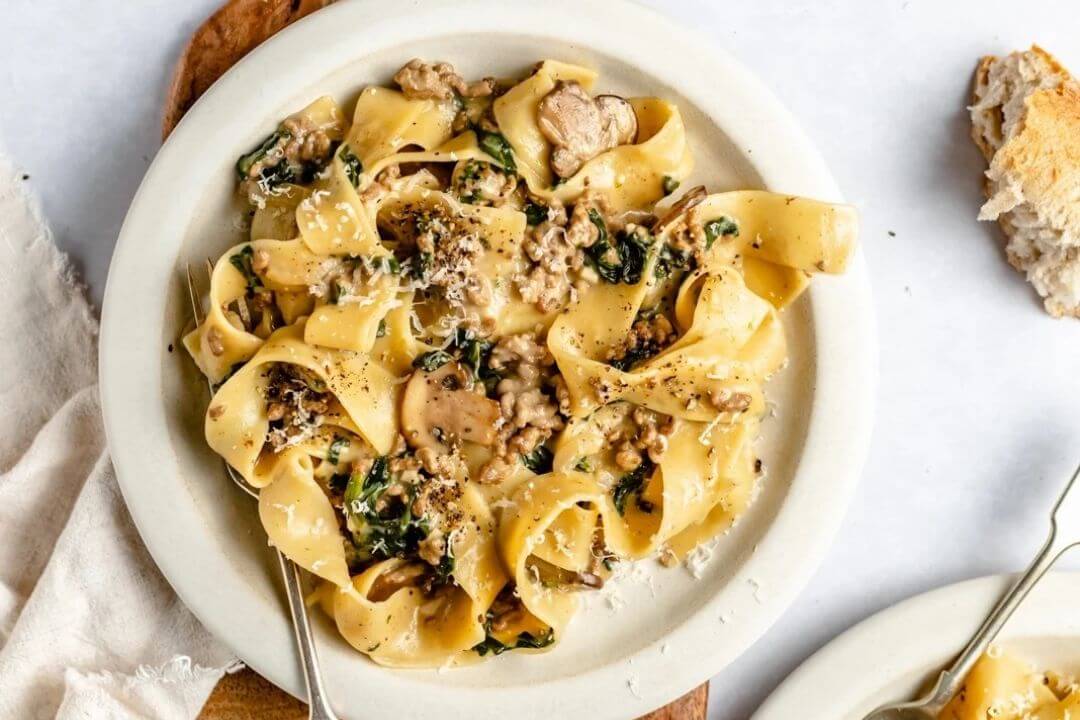

Recipes stand as the cornerstone of culinary exploration, bridging the gap between tradition and innovation, precision and artistry. They are much more than mere instructions; recipes are cultural artifacts, personal legacies, and creative blueprints that inspire cooks of all levels. From the simplest household favorite to complex gourmet preparations, recipes provide the foundation upon which flavors are built and memories are crafted. Understanding the depth and significance of recipes enriches not only the act of cooking but also the profound human connection to food.
At its heart, a recipe is a carefully curated guide that outlines ingredients, measurements, techniques, and timing to recreate a dish. However, the beauty of recipes lies in their dual nature—they offer structure while allowing ample room for interpretation and personal flair. This balance is what makes cooking accessible to novices and endlessly fascinating to seasoned chefs. Recipes provide a language through which culinary knowledge is transmitted across generations, cultures, and geographies.
The history of recipes is as rich and varied as the foods they produce. Ancient civilizations recorded recipes on clay tablets or papyrus scrolls, preserving early knowledge of herbs, grains, and cooking methods. These early documents were both practical and symbolic, reflecting the importance of food in societal rituals and daily life. Over centuries, handwritten recipe books evolved into printed cookbooks, democratizing access to culinary wisdom and fueling the spread of diverse cuisines around the world.
In modern times, recipes have embraced digital transformation, with countless blogs, apps, and videos offering instantaneous access to global culinary traditions. This accessibility has expanded the horizons of home cooks, enabling them to experiment with ingredients and techniques previously beyond reach. Yet, despite this technological shift, the essence of recipes remains unchanged: they serve as invitations to create, savor, and share.
One of the most compelling aspects of recipes is their role in storytelling. Each recipe carries with it a narrative—whether it be a cherished family heirloom passed down through generations, a regional specialty that encapsulates a community’s identity, or a chef’s inventive creation born from a moment of inspiration. The process of cooking a recipe often evokes memories, emotions, and a sense of belonging, turning food into a vessel of cultural heritage and personal history.
The structure of a well-crafted recipe is itself an art form. Clarity and precision are paramount, as they guide the cook through potentially complex steps. Yet, great recipes also anticipate the cook’s need for flexibility, offering tips and variations that encourage adaptation. For example, the choice of herbs might be adjusted to suit local availability, or cooking times modified to accommodate different equipment. This thoughtful design fosters confidence and creativity in the kitchen.
Moreover, recipes are dynamic entities—they evolve as they are passed along and adapted. This organic nature reflects the living essence of culinary culture, where no dish remains static. As cooks add their unique touches, tweak flavors, or substitute ingredients, recipes become personalized works of art that reflect individuality within tradition. This continuous reinvention ensures that recipes remain relevant, vibrant, and resonant across time and place.
Nutrition and dietary considerations have also reshaped how recipes are crafted and shared. Increasingly, recipes incorporate mindful choices to accommodate health preferences, allergies, and ethical concerns. Vegan, gluten-free, and low-sugar recipes are now commonplace, illustrating the inclusivity and adaptability of culinary traditions. These developments underscore the evolving relationship between food and well-being, emphasizing that recipes are not only about taste but also about nourishing the body responsibly.
The communal aspect of recipes is equally profound. Sharing a recipe is an act of generosity and connection, offering a glimpse into one’s culture, values, and experiences. In social gatherings, recipes often serve as conversation starters, weaving bonds through the shared joy of cooking and eating. The rise of virtual cooking communities further amplifies this spirit of exchange, where enthusiasts around the world unite through common passions and mutual inspiration.
The educational value of recipes cannot be overstated. For aspiring cooks, recipes are foundational tools for learning techniques, understanding ingredient interactions, and developing a palate. Through repeated practice, a recipe transforms from a rigid script into an intuitive guide, fostering culinary confidence and innovation. This progression exemplifies how recipes nurture both skill and imagination.
In professional kitchens, recipes serve as critical standards for consistency and quality control. Chefs rely on meticulously developed recipes to ensure that every dish meets exacting standards, especially in high-volume or fine-dining contexts. Here, recipes are precise documents that dictate ingredient ratios, cooking methods, and presentation details, balancing creativity with reliability. This professional discipline highlights the importance of recipes as both creative and operational instruments.
Looking ahead, the future of recipes is poised for exciting evolution. Advances in technology, such as artificial intelligence and smart kitchen devices, promise to further personalize and streamline cooking experiences. Imagine recipes that adjust in real-time based on available ingredients, nutritional goals, or even individual taste preferences. Such innovations could revolutionize how we interact with recipes, making cooking more intuitive, efficient, and enjoyable.
In conclusion, recipes are much more than a list of ingredients and steps—they are vital expressions of culture, creativity, and connection. They preserve traditions while inviting experimentation, educate the novice while inspiring the expert, and nourish both body and soul. In every recipe lies an opportunity to explore, to create, and to share the timeless pleasure of food. Embracing this multifaceted nature enriches our culinary journeys, transforming cooking from a routine task into an artful and deeply human experience.