
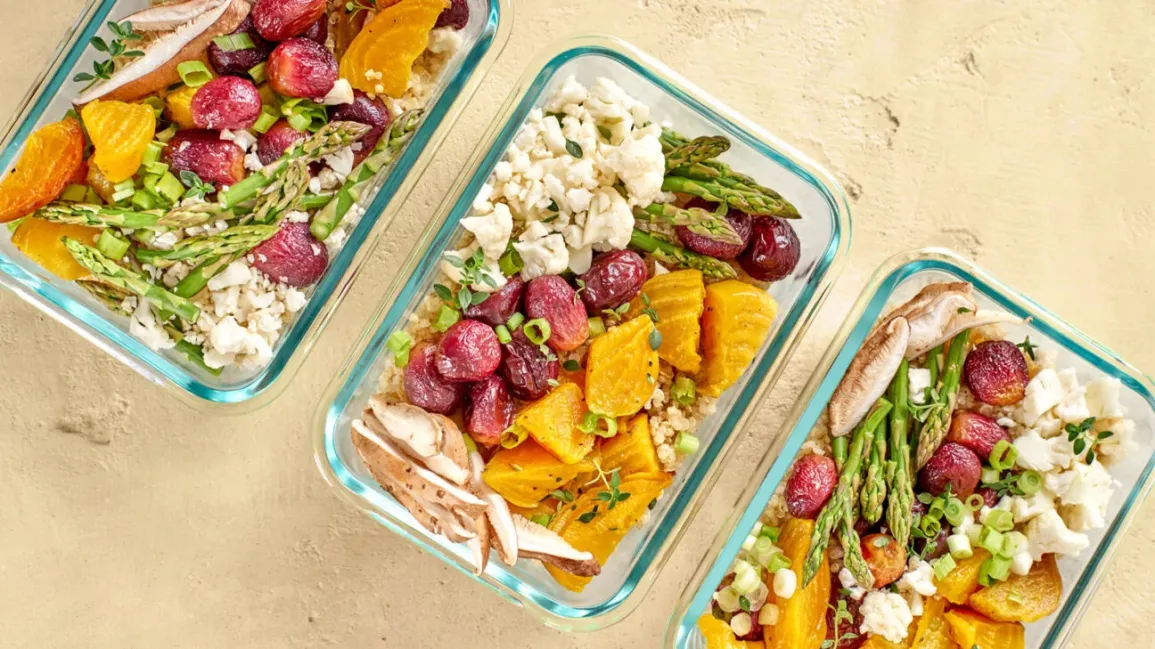

The daily challenge of securing a healthy, satisfying lunch at the office is a common pain point for working professionals. Faced with demanding schedules and mid-day fatigue, it is incredibly easy to rely on convenience options. Fast food runs, expensive takeout apps, and processed vending machine snacks quickly become the default. Over time, these choices drain your bank account, spike your sodium intake, and lead to the notorious afternoon energy crash that destroys productivity.
The solution to this routine cycle is systematic meal prepping. Dedicating a block of time on a Sunday afternoon to prepare your weekday lunches changes your entire relationship with nutrition. Meal prepping shifts you from a position of reactive decision-making to one of intentional control. By utilizing smart culinary strategies, proper storage techniques, and macro-balanced recipes, you can enjoy flavorful, nourishing lunches right at your desk that remain fresh from Monday to Friday.
The Core Philosophy of Successful Office Meal Prep
The primary reason home-prepped lunches fail or taste unappealing by mid-week comes down to structural degradation. Food that tastes excellent fresh out of a hot skillet can easily turn mushy, rubbery, or completely dry after sitting in a plastic container for three days. To avoid this, successful office meal prep must adhere to strict principles of culinary durability.
Balancing Your Macros for Sustained Energy
An ideal office lunch should focus on slow-digesting carbohydrates, lean proteins, and healthy dietary fats. High-glycemic carbohydrates like white bread or refined pasta cause a rapid spike in blood sugar followed by an aggressive insulin release, which is the direct cause of post-lunch lethargy.
By prioritizing complex starches like quinoa, brown rice, and sweet potatoes alongside lean proteins, you ensure a steady, continuous release of glucose into your bloodstream. This keeps your brain focused and your stomach satisfied until dinner.
Moisture Separation Protocols
The absolute enemy of food longevity is premature moisture migration. If a dressing or sauce sits in direct contact with delicate greens, roasted vegetables, or grains for forty-eight hours, it will break down the cellular walls of the food, resulting in a soggy, unappealing mess. Always store your dressings, sauces, and wet components in completely separate small containers, incorporating them into the main dish immediately before eating.
1. Mediterranean Grain Bowls with Roasted Chickpeas
Grain bowls are the ultimate canvas for workplace meal prep because their individual components are highly resilient and actually improve in flavor as they marinate together in the refrigerator.
Component Breakdown
-
The Grain Base: Cook a large batch of fluffy quinoa or farro in unsalted vegetable broth instead of water to build foundational flavor directly into the grain structure.
-
The Protein Powerhouse: Toss rinsed canned chickpeas with olive oil, dried oregano, garlic powder, and a pinch of kosher salt. Roast them on a baking sheet at four hundred degrees Fahrenheit until they are deeply golden and crisp.
-
The Fresh Elements: Dice English cucumbers, halved cherry tomatoes, and Kalamata olives. These specific vegetables hold up beautifully without losing their structural crunch over several days.
-
The Creamy Element: Crumbled traditional feta cheese adds a sharp, briny contrast that pairs perfectly with the earthy grains.
Packaging Strategy
Divide the cooked grains evenly among four glass meal prep containers. Allow the grains to cool completely before adding the toppings, as trapped steam will create condensation that spoils the fresh vegetables. Layer the roasted chickpeas and chopped vegetables on top of the grains. In separate small dressing cups, mix fresh lemon juice, extra virgin olive oil, and minced garlic, keeping it separate until lunchtime.
2. Low-Carb Turkey and Hummus Lettuce Wraps
For those looking to minimize carbohydrate intake during the workday to completely eliminate the afternoon slump, protein-rich lettuce wraps provide a crunchy, refreshing alternative to standard sandwiches.
Selecting the Right Green Canvas
Standard iceberg lettuce is too brittle and watery to function as an effective wrap for a lunchbox. Instead, opt for sturdy romaine hearts or butter lettuce leaves. These varieties offer a flexible rib structure that holds its shape even when packed tightly into an executive lunch bag.
Step-by-Step Assembly
-
Lay out three to four large, clean romaine leaves per serving day.
-
Spread a generous tablespoon of roasted garlic hummus directly down the spine of each leaf. The hummus acts as an edible adhesive, keeping the other ingredients in place.
-
Layer high-quality, sodium-conscious deli turkey breast over the hummus.
-
Top with thinly sliced red bell peppers, matchstick carrots, and un-seeded cucumber spears to provide a massive structural crunch.
-
Roll the leaves tightly and wrap each individual bundle snugly in parchment paper. The parchment paper absorbs any minor surface moisture from the lettuce while preventing the wraps from unrolling during your morning commute.
3. High-Protein Santa Fe Chicken and Black Bean Bowls
If your workplace lacks a refrigerator or if you simply prefer a warm, comforting meal during the colder months, this Southwest-inspired chicken bowl is designed specifically to withstand reheating in an office microwave without turning rubbery.
The Secret to Re-Heatable Chicken
Chicken breast is notorious for turning dry and stringy when microwaved. To prevent this, chefs utilize the technique of shredding rather than dicing. By simmering chicken breasts in a bath of salsa, chicken broth, and taco seasonings, the meat fibers naturally soften. When shredded, the chicken retains the surrounding sauce inside its crevices, keeping it incredibly moist during the secondary heating process.
Assembling the Bowl
-
Place a foundation layer of fiber-rich black beans and sweet corn kernels at the bottom of your container.
-
Add a layer of brown rice or cilantro-lime cauliflower rice.
-
Pile the moist shredded salsa chicken directly on top of the rice.
-
The Cold Divider: If you enjoy toppings like sour cream, fresh cilantro, or diced avocado, store them in a completely separate small container. Remove this cold insert before placing the main chicken and rice bowl into the office microwave, adding them back as a fresh garnish once the food is hot.
4. Deconstructed Sesame Peanut Noodle Bowls
Cold noodle bowls inspired by Asian street food are highly prized for office lunches because they require absolutely no access to a microwave. They are designed to be eaten straight out of the cooler bag, making them exceptionally convenient for busy days filled with back-to-back meetings.
The Perfect Sauce Emulsion
The soul of this dish lies in a rich, nutty sauce that coats every strand of noodle. Whisk together creamy peanut butter, low-sodium soy sauce, rice vinegar, toasted sesame oil, honey, and a splash of warm water until completely smooth. The natural fats in the peanut butter create a thick emulsion that clings tightly to starches.
Building the Bowl
Use whole wheat spaghetti or traditional soba buckwheat noodles as your base. Toss the noodles with a small amount of sesame oil immediately after draining to ensure they do not stick together into a solid block while cooling. Add a generous portion of edamame beans for plant-based protein, shredded purple cabbage for color, and sliced scallions. Pack the savory peanut sauce in a separate container and pour it over the noodles right at your desk, tossing with a fork to distribute the flavors.
Weekly Storage and Maintenance Guidelines
| Meal Prep Recipe | Optimal Container Type | Max Refrigerator Shelf Life | Best Serving Temperature |
| Mediterranean Grain Bowls | Tempered Glass | 5 Days | Room Temperature / Cold |
| Turkey and Hummus Wraps | Airtight Plastic / Parchment | 3 Days | Chilled |
| Santa Fe Chicken Bowls | Glass or Microwave-Safe | 4 Days | Hot (Microwaved) |
| Sesame Peanut Noodles | Glass or Stainless Steel | 4 Days | Cold |
Frequently Asked Questions
What are the safety benefits of using glass containers over plastic for office meal prep?
Glass containers are highly superior for office meal prep because they are completely non-porous. Unlike plastic, glass will not absorb food odors, residual oils, or deep stains from ingredients like tomato sauce or turmeric. More importantly, glass can be safely transitioned from the refrigerator straight into the office microwave without any risk of chemical leaching, warp deformation, or structural breakdown.
How do you stop cut avocados from turning brown in a meal prep lunchbox?
Avocados turn brown due to oxidation when enzymes in the fruit contact oxygen. To keep them bright and green for your mid-week lunch, slice the avocado and immediately brush the exposed flesh with an acid like fresh lime juice or lemon juice. Alternatively, store the cut avocado in the exact same container as sliced red onions; the natural sulfur compounds released by the onions act as an effective preservative that slows down oxidation.
Is it safe to meal prep seafood dishes like salmon for office lunches?
Yes, it is entirely safe from a health perspective to meal prep cooked seafood like salmon or shrimp, provided it is consumed within three days of cooking. However, from a workplace etiquette perspective, reheating seafood in a shared office microwave releases strong, volatile oils into the air that can create an incredibly unpleasant odor for your coworkers. If you prep seafood for work, it is best enjoyed completely cold in a salad or grain bowl.
Why do my prepped roasted vegetables always turn soggy by day three?
Roasted vegetables turn soggy because they continue to release internal moisture after they are packed away. To prevent this, you must allow the vegetables to cool completely on an open baking sheet before placing them into an airtight container. If you pack them while they are still warm, the steam hits the cold lid, turns back into water drops, and rains back down onto your vegetables, destroying their texture.
How can I keep my prepped salad greens completely crisp all week?
To keep salad greens from wilting, moisture management is critical. After washing your greens, ensure they are absolutely bone-dry by using a salad spinner or patting them with paper towels. When packing them into a container, place a clean, dry sheet of paper towel directly on top of the greens before closing the lid. The paper towel will continuously absorb any ambient humidity inside the container throughout the week.
Can I freeze my prepped lunch bowls to extend their shelf life?
Many prepped meals freeze exceptionally well, particularly grain-based bowls, shredded meats, and bean dishes like the Santa Fe chicken bowl. However, you should avoid freezing any dishes that rely on raw, high-water-content vegetables like cucumbers, lettuce, radishes, or tomatoes. The freezing process expands the water inside their cell walls, causing them to turn completely mushy and watery once thawed.