
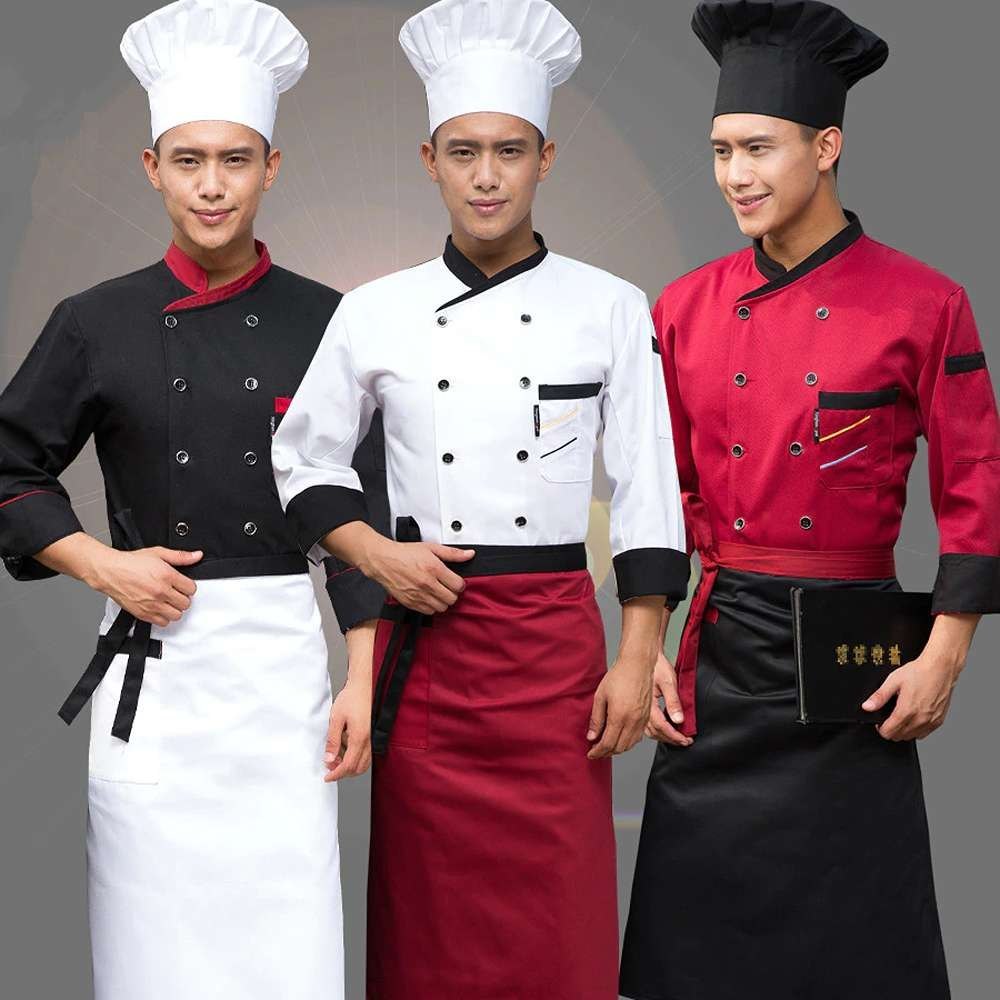

Stepping into a professional kitchen requires more than just culinary knowledge and sharp sensory skills. The commercial kitchen is a high-octane, physically demanding environment characterized by extreme heat, sharp objects, open flames, and slick surfaces. To survive and thrive in this space, a culinarian must view their attire and tools as essential workplace safety gear and precision instruments.
Building a professional chef wardrobe and tool kit is a rite of passage for any serious cook. It signals respect for the craft, organizational discipline, and situational readiness. A well-designed wardrobe keeps you safe and comfortable during fourteen-hour shifts, while a curated tool kit ensures you can execute any culinary task with speed and accuracy. Investing in the right gear from the start saves money, prevents injury, and establishes your professional identity on the line.
Anatomy of the Professional Chef Wardrobe
Every element of the traditional chef uniform evolved for functional and protective reasons, not fashion. Modern materials have updated these classics, but the core principles of protection, utility, and cleanliness remain unchanged.
The Chef Coat
The chef coat is your primary shield against kitchen hazards. Classic coats feature a double-breasted design, providing two layers of thick cotton or a heavy poly-cotton blend over the chest. This dual layer protects your vital organs from boiling liquid splashes, steam bursts, and hot oil splatters. If the front of the coat becomes excessively soiled during service, a cook can simply reverse the breasts to present a clean appearance instantly.
When choosing a coat, look for breathable panels under the arms and knot buttons rather than plastic ones. Fabric knot buttons withstand frequent commercial laundering and can be unfastened instantly in case of an emergency, such as a hot liquid soaking through the sleeve.
Kitchen Trousers
Chef pants should never be tight or restrictive. A loose, relaxed fit is essential for two reasons: it allows for a full range of motion when bending and lifting heavy stockpots, and it creates a pocket of insulating air between the hot fabric and your skin if boiling water spills down your legs.
Traditional houndstooth or checkered patterns are favored because they visually camouflage inevitable stains from flour, sauces, and grease. Ensure the waistband features a sturdy drawstring or heavy-duty elastic that stays secure without cutting into your waist during long hours of standing.
Slip-Resistant Footwear
Your shoes are arguably the most critical investment in your wardrobe. Kitchen floors are routinely coated in water, animal fats, and dish soap. Regular athletic shoes or basic boots will lead to slips, falls, and chronic back pain.
Professional kitchen shoes must feature certified slip-resistant rubber outsoles with a tread pattern designed to channel liquids away from the bottom of the foot. Orthopedic support, shock absorption, and a reinforced or steel-reinforced toe box are non-negotiable to protect against dropped cleavers or falling crates. Molded clogs made of polyurethane are highly popular because they lack laces, which can trap bacteria, and can be completely hosed down and sanitized at the end of the night.
The Culinary Tool Kit: Essential Hardware
A chef tool kit, often carried in a heavy-duty canvas or leather knife roll, is a deeply personal collection. While it is tempting to purchase novelty gadgets, a professional kit should focus entirely on high-quality, versatile essentials that can withstand brutal, repetitive daily use.
The Foundation Knives
You do not need a twenty-piece knife set. In a commercial setting, three high-quality knives will handle nearly ninety percent of all tasks.
-
The Chef Knife: An eight-to-ten-inch French or German-style chef knife, or a Japanese Gyuto, is the centerpiece of your kit. It must feel balanced in your hand, feature a full-tang construction where the steel extends through the entire handle, and hold a razor-sharp edge. This knife is used for bulk chopping, slicing meats, and dicing vegetables.
-
The Paring Knife: A three-to-four-inch paring knife is essential for precise, off-the-board work such as peeling fruit, coring tomatoes, turning vegetables, and trimming silver skin from smaller cuts of meat.
-
The Serrated Bread Knife: A nine-to-ten-inch serrated knife cuts cleanly through tough bread crusts, delicate pastry layers, and soft-skinned vegetables like tomatoes without crushing the interior structure.
Crucial Hand Tools
Beyond knives, your roll must contain reliable hand tools that speed up your station preparation and plating efficiency.
-
A High-Quality Peeler: A carbon steel or ceramic Y-peeler is preferred by professionals for its speed, ergonomics, and ability to take thin, consistent peels from vegetables.
-
The Microplane Grater: Essential for zesting citrus, grating hard cheeses like Parmigiano-Reggiano, and turning garlic or ginger into a smooth paste instantly.
-
Plating Tongs and Tweezers: Heavy-duty, twelve-inch stainless steel tongs act as an extension of your hand for turning hot proteins, while smaller precision tweezers are necessary for placing delicate microgreens during upscale service.
-
A Digital Thermocouple Thermometer: Food safety and precision cooking rely on exact temperatures. A rapid-read digital probe thermometer ensures steaks are cooked to perfect doneness and hot foods stay well out of the food danger zone.
Organizing and Maintaining Your Gear
Owning great gear is meaningless if you do not maintain it. Professional kitchens operate on strict discipline, and your tool maintenance reflects your work ethic.
Knives must be honed daily using a ceramic or steel honing rod to keep the microscopic edge aligned. After every shift, knives should be hand-washed, dried immediately to prevent oxidation, and safely tucked back into their guards before being rolled up. Never throw a professional knife into a commercial dishwasher, as the high heat, harsh detergents, and rattling environment will dull the blade, warp the handle, and damage the steel.
Similarly, uniforms must be kept immaculate. Arriving to a shift in a stained, wrinkled jacket is a sign of disrespect to the kitchen and the guests. Always wash your whites with a heavy-duty oxygen bleach and starch them slightly to help the fabric repel liquid stains during the next service.
Summary of Kitchen Gear Essentials
| Gear Item | Primary Material | Key Specification | Operational Purpose |
| Chef Coat | Heavy Poly-Cotton Blend | Double-breasted, knot buttons | Heat protection, burn prevention |
| Kitchen Shoes | Polyurethane / Rubber | Certified slip-resistant sole | Fall prevention, joint support |
| Chef Knife | High-Carbon Stainless Steel | Full-tang, 8 to 10 inches | Universal chopping and slicing |
| Thermometer | Digital Thermocouple | Sub-two-second read time | Food safety, precision execution |
| Knife Roll | Heavy Canvas or Leather | Reinforced stitching, secure straps | Safe transport of sharp cutlery |
Frequently Asked Questions
Why do some chefs prefer kitchen aprons over traditional coats?
Many modern kitchens use a combination of both. While the coat provides maximum chest and arm protection, a heavy-duty bib apron adds an extra layer of defense over the torso and thighs. Aprons also feature useful pockets for holding pens, timers, and small notebooks, and they are significantly cheaper and easier to replace or launder than full coats.
What is the difference between German and Japanese chef knives?
German knives are typically made from thicker, softer steel, resulting in a heavier blade with a more pronounced curve that is excellent for rocking motions. They are highly durable and can chop through light bones without chipping. Japanese knives are crafted from harder, thinner steel with a straighter edge. They hold a sharper angle for incredibly precise, clean cuts, but they are more brittle and prone to chipping if used incorrectly.
How many uniform sets should a full-time line cook own?
A full-time line cook working five days a week should ideally own at least four to five complete uniform sets. This ensures you always have a fresh, pristine jacket and trousers ready for every shift, avoiding the need to do laundry constantly in the middle of a grueling workweek.
Why are hats or skull caps mandatory in a professional kitchen wardrobe?
Kitchen headwear serves two primary purposes: hygiene and sweat management. It prevents loose hair from falling into a guest food, which is a major health code violation. Additionally, a thick cotton skull cap or traditional toque absorbs brow sweat, preventing it from dripping into your eyes or onto the prep board during intense, high-heat service.
What is the purpose of a honing steel if it does not actually sharpen a knife?
A sharpening stone removes metal from the blade to create a brand-new edge. A honing steel, however, simply straightens the microscopic teeth of an existing edge that have become bent out of alignment during heavy use. Honing maintains the knife cutting efficiency between actual sharpening sessions.
How do you clean and maintain a leather knife roll?
Leather knife rolls should never be submerged in water or put in a washing machine. Clean the exterior and interior surfaces by wiping them down with a damp cloth and a mild soap solution, then dry immediately. Periodically apply a high-quality leather conditioner to keep the material supple and prevent it from cracking under the dry, hot conditions of a kitchen locker room.